Help Reopen the MH370 Search in the Right Location
Independent analysis using satellite data (BTO/BFO)
A commitment to understanding MH370 through measurable data, structured analysis, and verifiable outcomes.
✍️ Sign the Petition Join 15 supporters
Tagline
Condimentum felis vitae efficitur sed vel dictum quam nulla euismod
Lorem ipsum dolor sit amet, consectetur adipiscing elit. Nulla euismod condimentum felis vitae efficitur. Sed vel dictum quam, at blandit leo. Lorem ipsum dolor sit amet, consectetur adipiscing elit. Nulla euismod condimentum felis vitae efficitur. Sed vel dictum quam.
This work began with a simple question:
What does the data actually say when it is measured without assumption?
MH370 remains one of the most complex aviation events in modern history. Over time, explanations have been proposed, debated, and revisited—but many rely on interpretation rather than structured validation.
This mission exists to approach the problem differently.
Not by asking what might have happened—but by identifying what must have happened based on the available data.
MH370 - The signal story is still speaking.
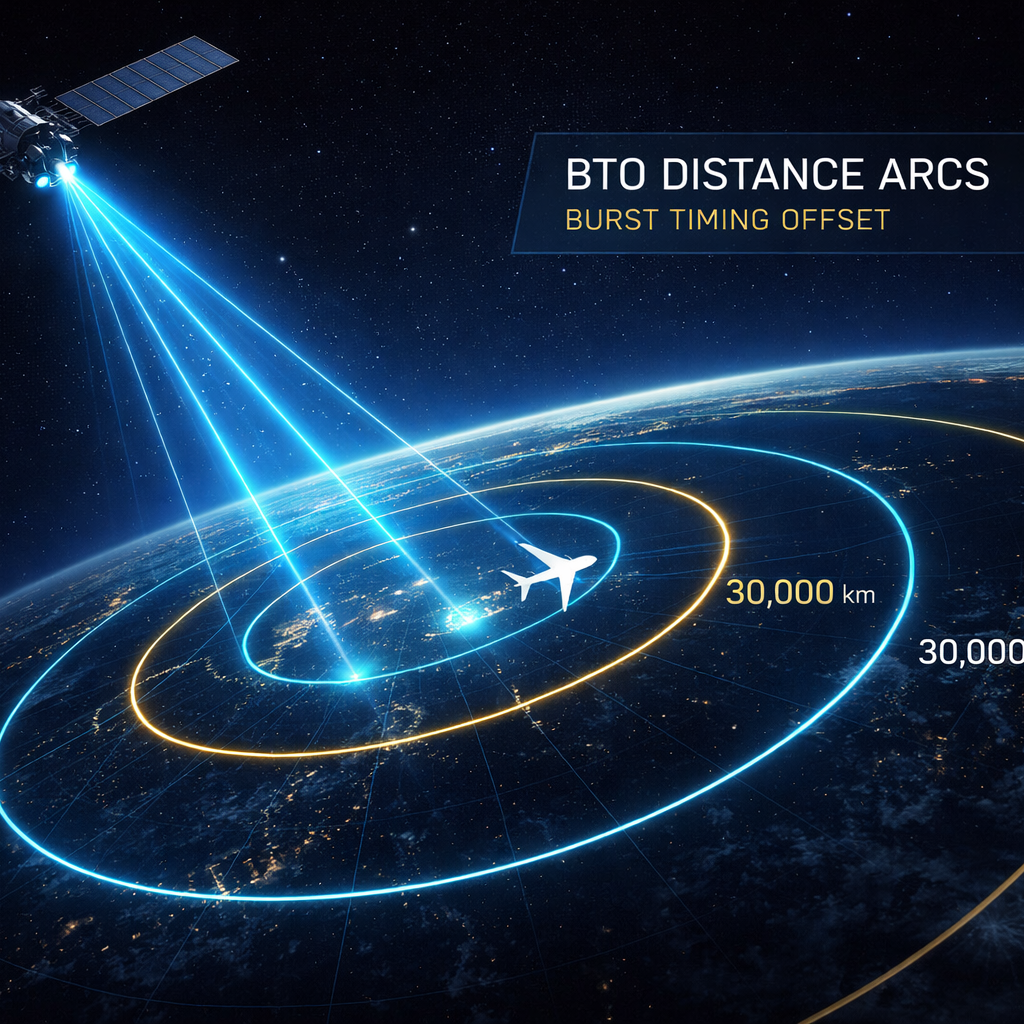
Join 0ur campain as we translate satellite telemetry (BTO / BFO) into clear visuals and testable flight-path claims - so anyone can follow the logic.
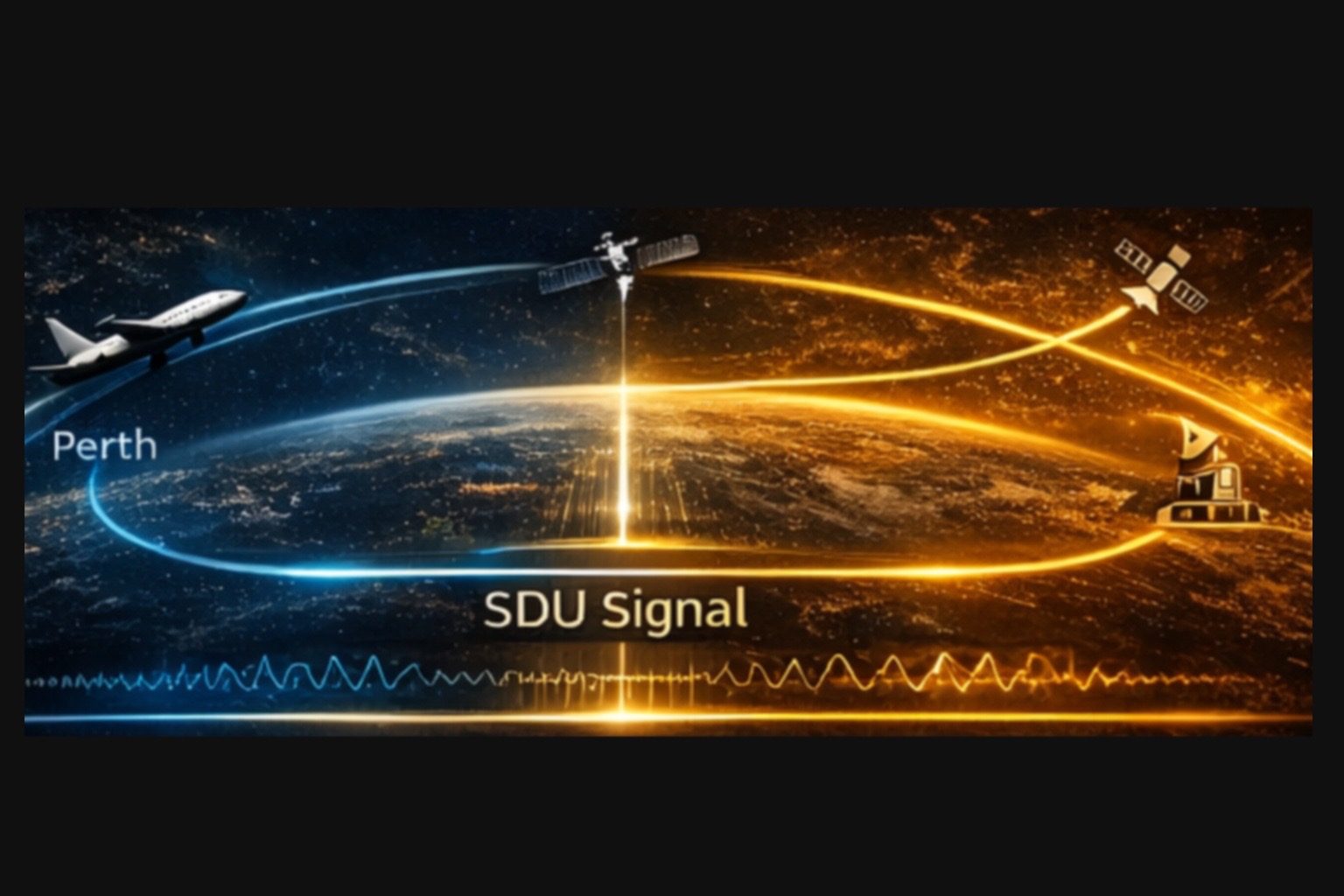

Initial Signal Overlay — August 2025
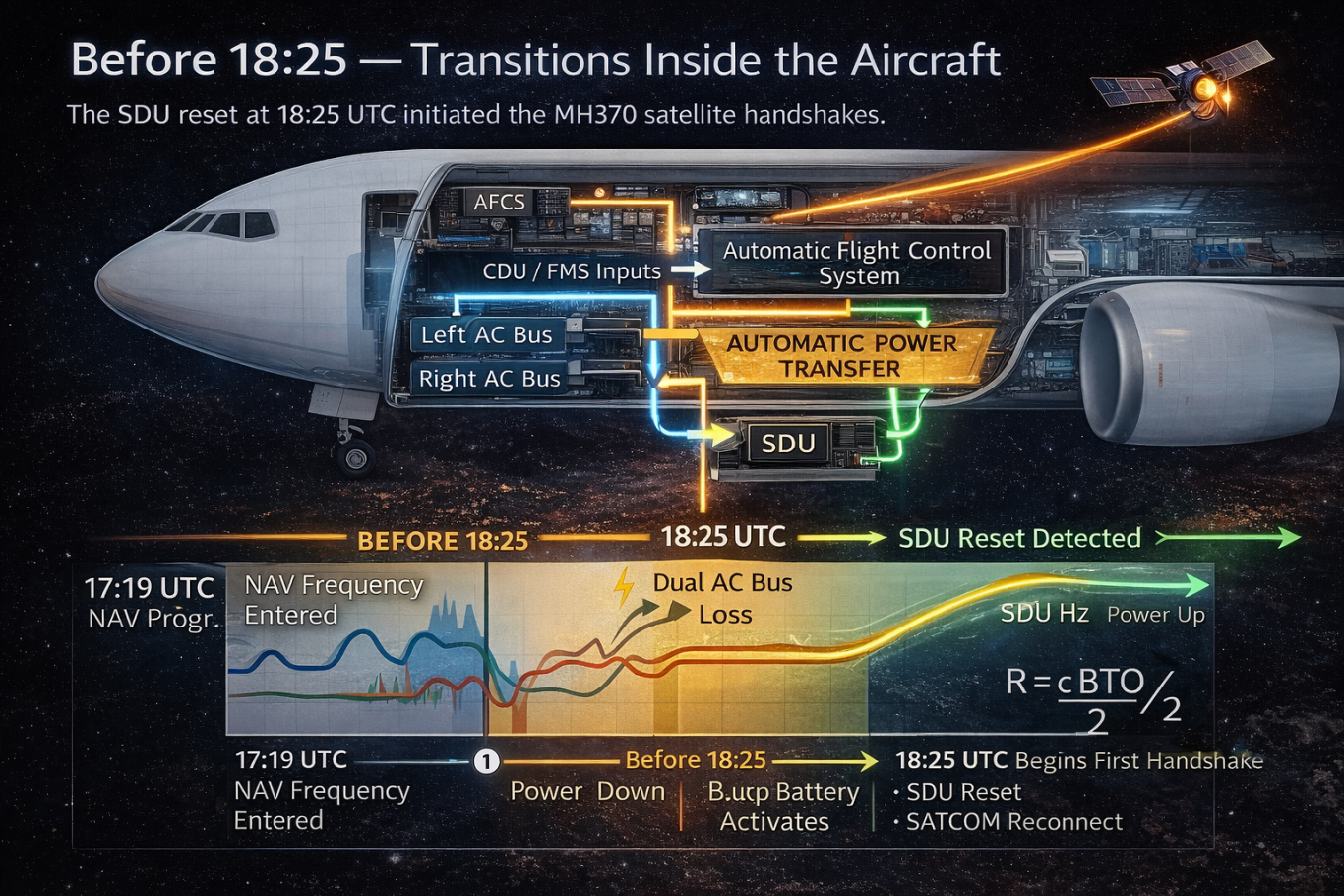
In August of 2025, the work reached a point where the signal could finally be seen as a complete system. For the first time, multiple layers—aircraft demand, fuel progression, internal system activity, and satellite event timing—were brought together into a single timeline. This image represents that moment. It was not yet an answer, but it was the first time the data began to behave like something structured rather than fragmented.
At this stage, everything was still being interpreted as one continuous process. The aircraft, the satellite, and the onboard systems were viewed as part of the same flow. Patterns began to emerge—repeating intervals, aligned timestamps, and changes that appeared consistent across multiple layers. But there was a problem: not all of these behaviors could be explained by aircraft motion alone.
Certain signals showed stability where movement should have introduced variation. Others showed activity that did not correspond to any known change in direction, speed, or altitude. These inconsistencies were not errors—they were signals that something else was present within the system. What we were seeing was not just the aircraft moving through space, but the system itself responding, stabilizing, and interacting internally.
This realization marked the transition from observation to understanding. What had been treated as a single signal was, in fact, composed of multiple layers—some external, driven by the aircraft, and others internal, driven by the system itself. This image captures the final moment before that separation was made. It is the outside view, where everything appears connected, but not yet explained.
From this point forward, the work changed direction. Instead of asking what the aircraft was doing, the question became: which parts of the signal belong to the aircraft, and which belong to the system? That distinction became the foundation for everything that followed.
This was the beginning of clarity—not by adding information, but by recognizing that not all signals come from the same source.
Turn - 1
Turn Classification — First Constraint Resolution
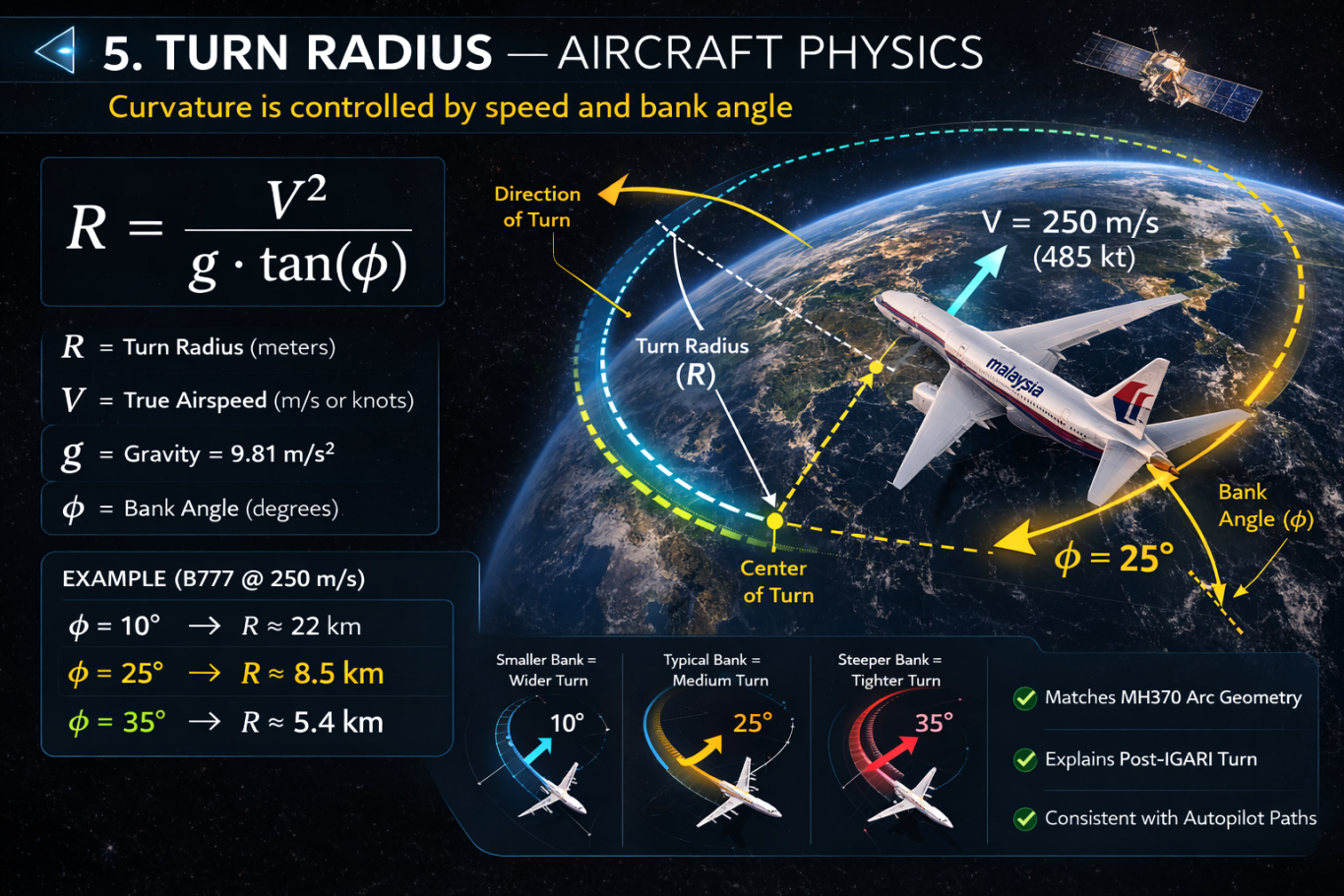
Before any full trajectory is considered, the motion must first be understood at its most basic level: a single turn. This section introduces that process.
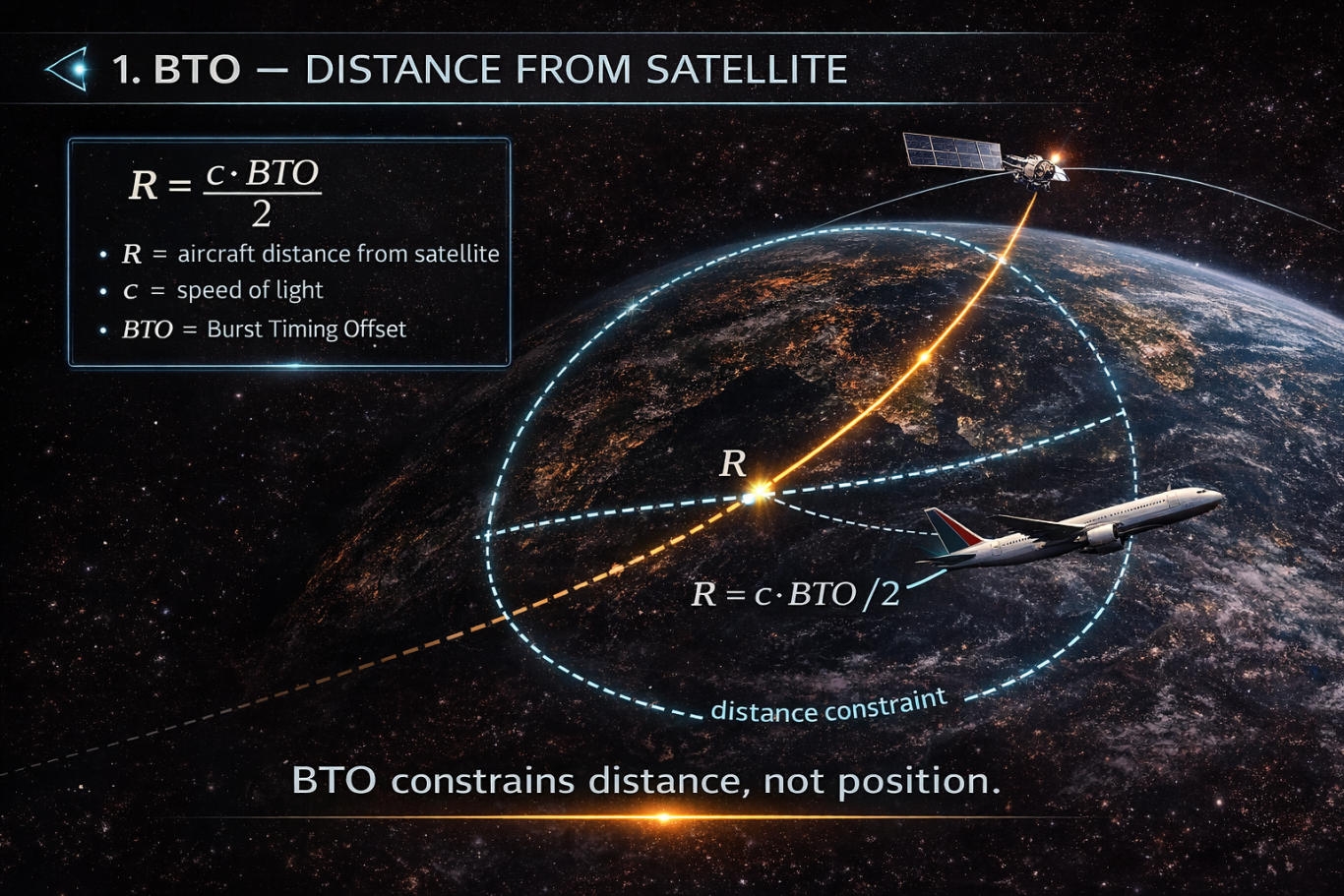
Turn 1 is not presented as part of a larger route or theory. It is treated as an isolated event—one that must satisfy two independent constraints at the same time. The first is positional, defined by timing (BTO). The second is directional, defined by motion (BFO). If these do not align at this stage, no larger path built from them can remain consistent.
This is where the approach differs from earlier work. Instead of beginning with a proposed trajectory and evaluating how well the data fits, this method begins with the data itself and asks a simpler question: what motion is actually allowed?
The result is a classification, not an assumption. Each turn is identified by its direction, magnitude, and structure, based only on what the signal will support. Turn 1 is the first point where this relationship becomes visible.
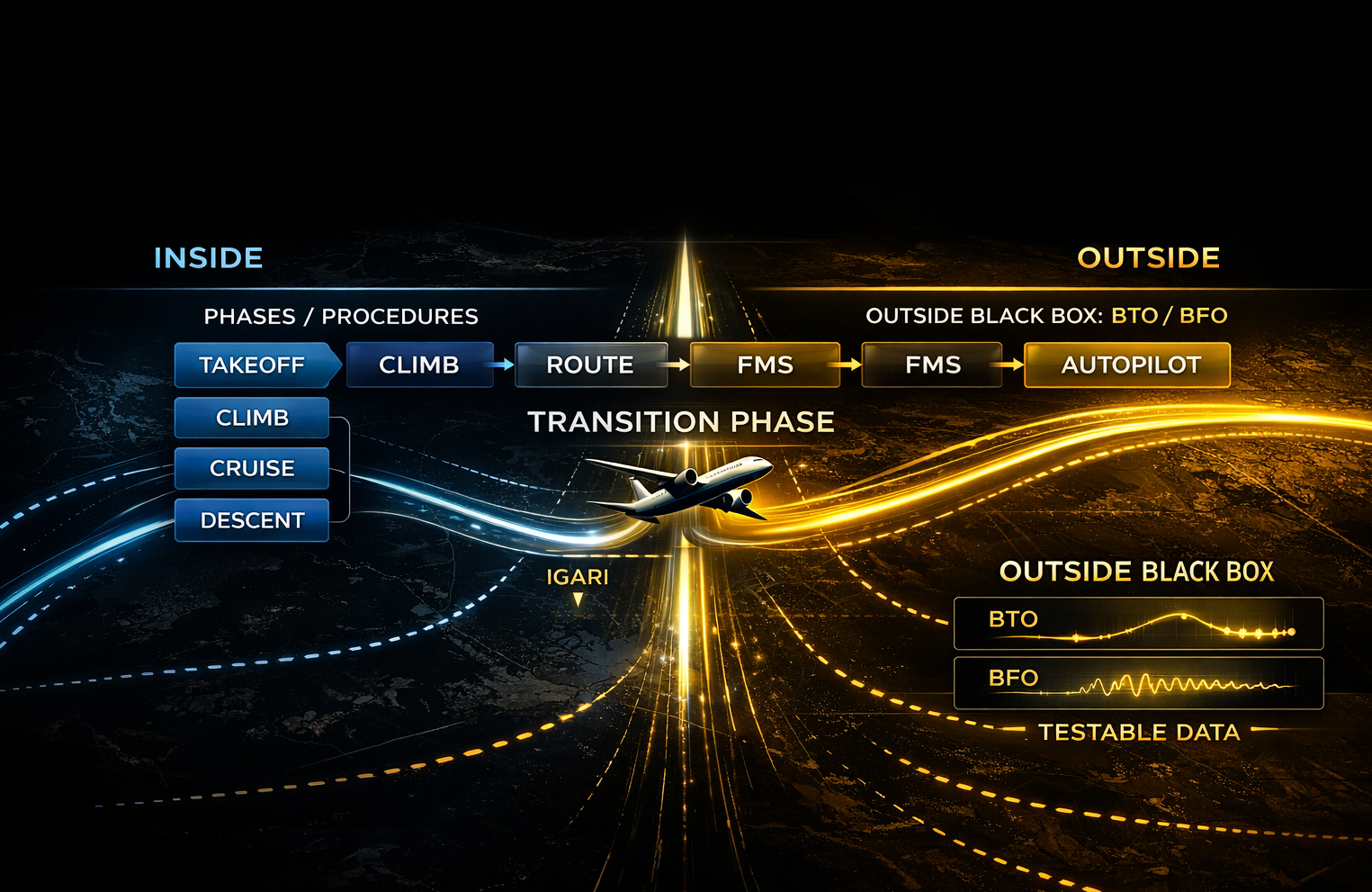
Inside the Aircraft. Outside the Signal. One Continuous System.
This framework connects what happens inside the aircraft with what is observed outside through satellite signals.
Aircraft systems—flight phases, FMS routing, and autopilot behavior—produce motion. That motion is captured externally through Burst Timing Offset (BTO) and Burst Frequency Offset (BFO).
By aligning these two domains, we move beyond isolated data and toward a continuous, signal-driven understanding of flight behavior—one that can be measured, tested, and reconstructed.
What is Vanished Skies MH370?
Engage with our community as we investigate MH370 through
expert analysis, documentaries, and educational content.
Advocate for renewed searches and insights with us.
IGARI — The Transition from Control to Signal
Where aircraft routing, system control, and satellite observation intersect
This section examines the critical transition at IGARI—where the aircraft moves from a committed route into an uncommitted state, and satellite signals begin to define its behavior.
It connects flight management logic, autopilot response, and the first measurable BTO/BFO signal patterns that follow.